Significance & Solutions
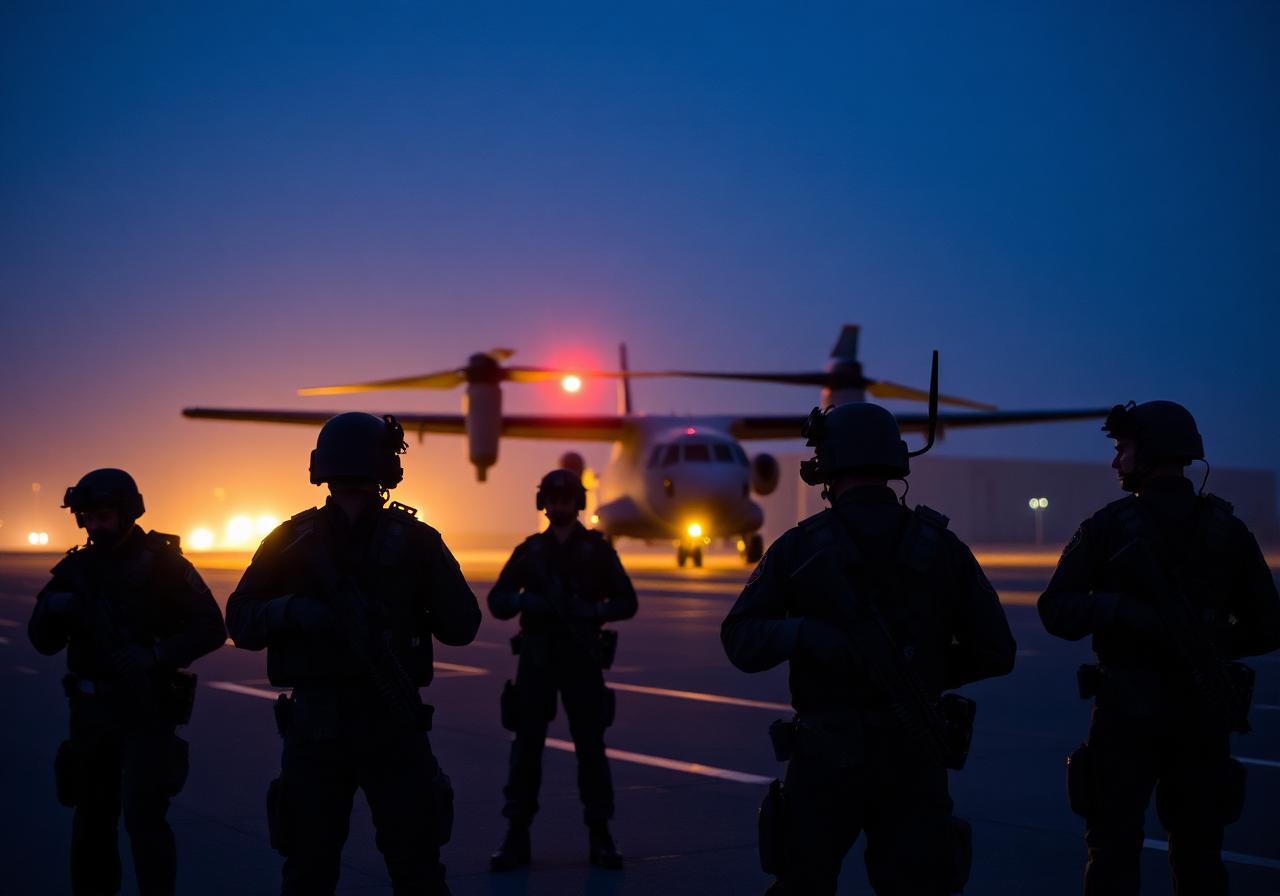
The U.S. still depends on a pretty small group of special operations airmen for stuff like crisis response, hostage rescues, helping out in disasters, and competing with countries like china and Russia. That means if selection is too easy, the wrong people end up in life-or-death situations, but if it’s too strict or too narrow, the Air Force misses out on people who could actually be great at it — including women and people who aren’t the typical athlete type. Trying to fix this hasnt always gone well. After Vietnam, the Air Force lost most of its special ops in the 1970s budget cuts. After Eagle Claw, Congress had to step in and force the military to fix itself. After 9/11, the Air Force scaled selection up really fast, which dropped standards at times and made way more people wash out at others. The 2024 RAND framework says they should grade people on all six attributes using actual evidence, give selection more time so things like character can really be tested, and keep tracking data so they can see which parts of selection actually predict who turns out to be good at the job. These aren’t flashy changes, but history shows this kind of slow, steady fix is what actualy works. And honestly, every American who benefits from embassy security, pilot rescues, or evacuations like Kabul in 2021 is counting on the people AFSOC picks — which makes selection something the public should care about, not just the military.